What Is a Pre Purchase Inspection for a Used Car?
A pre-purchase inspection for a used car is an independent check of its condition before you buy, so you can judge the car’s true condition before you commit money. Skip it, and you may inherit hidden repairs, safety faults, or a vehicle that costs far more than the asking price. This guide explains what the inspection covers, who does it, how the results work, and how to use them.
What is a pre-purchase inspection?
A pre-purchase inspection is a third-party evaluation of a used car before money changes hands. It focuses on mechanical condition, safety-related wear, and visible problems that can move your decision from “buy” to “negotiate” or “walk away.” It is not a guarantee against future breakdowns.
That matters because a used-car history report only tells part of the story. It can confirm title status, accident records, odometer entries, and recall lookup results, but it cannot tell you whether the brakes are near the end of their life or whether the transmission shifts cleanly under load.
What a PPI is not
A PPI is not a promise of future reliability, a warranty, or a replacement for common-sense buying limits. It also does not turn cosmetic wear into a mechanical problem. A scuffed bumper, worn seat bolsters, or faded trim may be normal age-related wear, while brake fade, leaking fluids, or a check-engine light are much more serious.
Why used cars benefit most
Used cars often hide maintenance gaps and repair history that a seller may not know, or may not mention. You may be looking at deferred service, prior collision repair, neglected fluid changes, or a fault that only appears on a road test. A PPI cuts those unknowns enough to support a practical decision.
What does a used-car inspection cover?
A used-car inspection usually covers the engine, transmission, brakes, tires, suspension, steering, electronics, fluid leaks, and visible signs of wear or damage. A good report also notes whether the car is safe to drive now, what should be repaired soon, and what can wait.
Mechanical systems
The mechanic checks for obvious engine concerns, transmission issues, exhaust problems, driveline noise, and signs of oil, coolant, or other fluid leaks. They also look at belts, hoses, mounting points, and how the car behaves during acceleration and shifting.
Safety systems
Brakes, tires, steering, and suspension deserve close attention because they affect stopping distance, control, and tire wear. Uneven tire wear can point to alignment or suspension problems. Brake pad thickness, rotor condition, and brake response matter more than surface-level cosmetic issues.
Fluids, leaks, and wear items
The inspection should note fluid levels and visible leaks, plus wear items that may need attention soon, such as tires near the tread limit or brakes nearing replacement. Small leaks can be cheap to fix. Large leaks, repeated coolant loss, or mixed oil and coolant concerns are more serious.
How does the inspection process work?
The process usually starts with scheduling the inspection before you commit to the purchase. The car is then checked visually, scanned electronically, driven if conditions allow, and often inspected on a lift. The result is a condition summary that shows the car’s faults, their likely cost, and how that affects your next move.
Booking the appointment
You arrange the inspection with an independent mechanic or inspection service. For a private seller, that often means coordinating a time and location that works for both sides. For a dealer, the store may have its own limits on who can inspect the car and where.
Cold start and test drive
A proper test drive should include a cold start when possible, because some problems show up only before the engine warms up. The drive should cover road noise, braking behavior, acceleration, transmission shifts, vibration, and pulling. If the car cannot be driven, that is useful information too.
Suppose a compact SUV starts with a rough idle only when cold, then smooths out after five minutes. That can point to an ignition, fuel, or air-control issue that would be easy to miss if the car were only checked after warming up. The road test makes that distinction visible.
Lift inspection and diagnostic scan
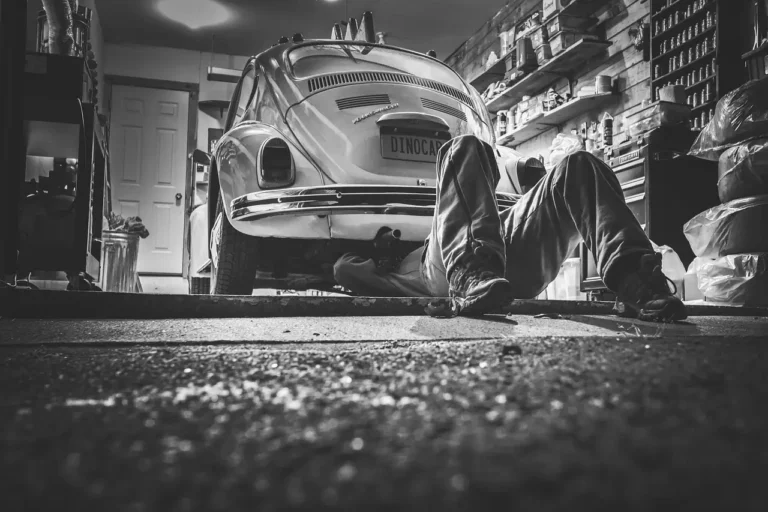
A lift inspection gives an undercarriage view of rust, leaks, damage, exhaust condition, suspension parts, and driveline issues that are hard to see from above. A diagnostic scan can read OBD-II trouble codes, including stored and pending codes, warning-light data, and readiness monitors.
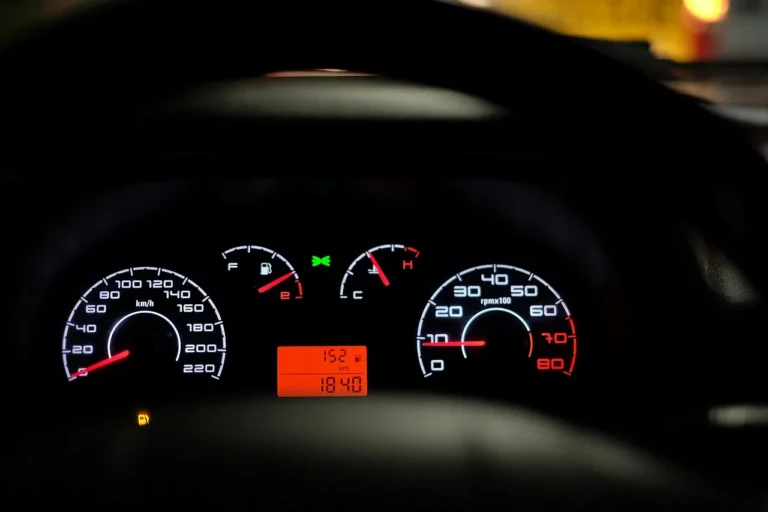
That scan matters even when the check-engine light is off. Pending codes can point to a problem before the dashboard warns you, and incomplete readiness monitors can suggest the seller recently cleared codes. A scan is a clue, not a verdict, but it is a valuable clue.
Inspection report decision matrix
The report should do more than say “good” or “bad.” It should separate cosmetic issues from safety-critical faults and expensive mechanical risks, then tie each finding to a likely cost range and a buyer action. Use it to decide whether to buy, negotiate, or walk away.
| Finding | Severity | Likely cost range | Recommended action |
|---|---|---|---|
| Minor scratches, worn seat fabric, faded trim | Low | $0 to $500 | Buy or negotiate lightly |
| Brake pads near limit, tires at end of service life | Moderate | $300 to $1,200 | Negotiate |
| Oil seep, small coolant leak, aging belts or hoses | Moderate | $200 to $1,500 | Negotiate |
| Check-engine light with active or pending OBD-II codes | Moderate to high | $100 to $2,500+ | Negotiate or walk away |
| Brake fluid leak, severe rust, suspension looseness, steering play | High | $1,000 to $4,000+ | Walk away |
| Transmission slip, harsh shift, driveline noise, overheating | High | $1,500 to $5,000+ | Walk away |
| Car cannot be road-tested, lifted, or scanned | High | Unknown | Walk away or require proof before proceeding |
A common first-timer mistake is treating every issue as a reason to reject the car. That is too blunt. A $400 brake job on an otherwise clean car can be a normal negotiation item. A structural rust problem or transmission slip is a different category entirely.
Who should perform the inspection?
An independent mechanic or inspection service is the right choice for a PPI because the whole point is to get a third-party opinion. The seller should not control the result, and the inspection should not be limited to a quick visual look if a road test, scan, or lift check is possible.
Dealer limits and private seller coordination
Private sellers usually need a clear appointment window and a plan for where the car will go. Dealers may allow only their own workflow or a short off-site check. Either way, you need the inspection done before a deposit or final commitment, not after.
Mobile and remote inspection options
Mobile inspections can work well when the car is at a home, office, or dealership that does not want to release it for long. Remote or limited-access inspections are still useful if they include a scan, underbody view where possible, and a road test. If access is too limited, the result is less useful.
How do you use the report?
Use the report to sort findings into three buckets: cosmetic, repairable, and deal-breaking. Cosmetic items may be fine if the price already reflects them. Repairable items are negotiation points. Safety faults, major mechanical issues, or missing access to the car usually justify walking away.
Set your negotiation target
If the report finds tires that need replacement soon and brake pads near the limit, your target is not the full retail repair bill. Aim for a realistic adjustment based on the car’s asking price, the car’s overall condition, and how easy it would be to find a better one.
Know when to walk away
Walk away when the report shows high-cost unknowns, structural rust, active drivetrain problems, or evidence that the seller withheld access. Walking away also makes sense when the inspection is incomplete and the missing pieces are the very items you need to judge risk.
Say your inspection finds a sedan with a clean body, but the scan shows a pending transmission fault and the test drive reveals shuddering in second gear. That is not a cosmetic negotiation. It is a sign that the purchase could turn into a costly repair bill soon after you buy.
When should you schedule it?
Schedule the inspection before any deposit and before final paperwork, and before feeling pressured to “hold” the car. The best time is while you still have enough room to leave. Once money is committed, the inspection stops being a decision tool and becomes damage control.
Before a deposit or commitment
Many buyers lose room to negotiate by placing a deposit first. If the seller will not allow inspection before payment, that is a warning sign. At minimum, get the terms in writing so you know whether the deposit is refundable if the inspection reveals a serious fault.
When the seller limits access
If the seller will not allow a test drive, a lift inspection, or an OBD-II scan, treat that as a major problem. A limited inspection may still reveal enough to help, but the lack of access should lower your confidence and may change the decision to walk away.
Frequently asked questions
What is a pre purchase inspection for a used car?
A pre purchase inspection for a used car is an independent check of the car’s condition before you commit to buying it. It looks for mechanical faults, safety issues, leaks, wear, and evidence of hidden problems, then helps you decide whether to buy, negotiate, or walk away.
What does a pre purchase inspection include?
It usually includes a visual check of the engine bay, brakes, tires, suspension, steering, fluids, and exterior and undercarriage condition. Many inspections also include a diagnostic scan, a road test, and a lift inspection if the car can be safely raised.
How does a pre purchase car inspection work?
The seller or dealer makes the car available, the inspector checks it on-site or at a shop, and the car is often driven, scanned, and inspected underneath. The inspector then issues a report with condition notes, repair priorities, estimated costs, and a recommendation.
Can I have a used car inspected before buying?
Yes. That is the point of the inspection. You can arrange a shop visit, ask for a mobile inspector, or coordinate with the seller or dealer to make the car available. The key is to do it before you pay a deposit or sign final papers.
Should I get a used car inspected before buying?
Yes, especially for a private-party purchase or any car with limited records, warning lights, unusual noises, visible leaks, or an asking price that leaves little room for repairs. A history report helps, but it does not replace a hands-on inspection of the actual car.
What should I ask the mechanic after the inspection?
Ask which findings are urgent, which can wait, and which ones change the purchase decision. Also ask for likely repair costs, whether the car can be driven safely home, whether the diagnostic scan showed stored or pending codes, and whether any item points to deeper damage.