How Long Should a Used Car Test Drive Be?
A used-car test drive should last at least about 30 to 45 minutes, and longer if you need a second pass after inspection or paperwork. A rushed drive can hide cold-start problems, brake issues, transmission hesitation, and highway noise that turn into expensive surprises later. This guide gives you a time target, a route checklist, and the signs to watch for at each stop.
What a good test drive must reveal
A useful used-car drive has to cover low-speed behavior, warm-up behavior, and higher-speed behavior. That means cold start, stop-and-go streets, a stretch of faster road, and a parking maneuver before you decide anything.
Consumer Reports says to drive as long as possible, at least 30 minutes, and describes the usual window as about a half hour at most. U. (Consumerreports)S. News recommends at least 20 minutes, while Auto Express says most test drives take around 15 to 30 minutes. The practical target is longer than a quick loop, but short enough to be realistic at a dealership.
Cold-start behavior
The first few minutes should tell you whether the engine starts cleanly, idles evenly, and settles without warning lights. Cold starts are where rough idle, loud belt noise, and delayed shifting often appear first.
City-speed behavior
Quiet city streets show throttle response, brake feel, steering center, and low-speed transmission shifts. iSeeCars says a used-car test drive should include 14 key things to watch, which is why a straight-line block is rarely enough.
Highway behavior
Faster road speed exposes wind noise, wheel vibration, tracking problems, and hesitation under load. U.S. News advises trying a route with city streets and highways if possible.
Parking and low-speed checks
Parking-lot turns, tight corners, and backing into a space reveal steering effort, mirror visibility, and any clunks or binding at full lock. NextCarReview says a useful test drive uses a mix of city, highway, and parking lot.
What you’ll need
- Driver’s license
- Proof of insurance, if the seller or dealer asks for it
- Vehicle history report
- Service records
- Phone for pairing and note-taking
- A route that includes city streets, a highway segment, and parking space
- Time for a second drive if an independent inspection changes the plan
Used-car time budget
| Time block | What to check | Issues it can reveal |
|---|---|---|
| First 5 minutes | Start-up, idle, warning lights, seat position, mirrors, basic controls, brake pedal feel at low speed | Hard starting, rough idle, warning lights, poor visibility, obvious brake drag |
| 5 to 15 minutes | City streets, stop signs, turns, gentle acceleration, infotainment, phone pairing, cabin noise | Slow shifts, control problems, vibration, strange noises, poor phone or screen behavior |
| 15 to 30 minutes | Highway or faster road, lane tracking, braking from speed, steering on center, road noise | Drift, alignment issues, brake noise, vibration, transmission hesitation, excessive cabin noise |
| 30 minutes and longer | Heat-related behavior, repeated braking, restart after shutdown, low-speed parking, rough pavement | Brake fade, heat soak, intermittent warning lights, rough shifts when warm, suspension noise |
How long should a used car test drive be?
A practical target is about 30 to 45 minutes, with 30 minutes as the minimum that starts to uncover more than the basics. That window gives enough time to warm the vehicle, add a highway segment, and finish with parking and a few turns on rough pavement. A dealership may try to keep it closer to a half hour or less, but longer is worth asking for when the car is older or shows any signs of trouble.
Dealerships often set a tighter route and time limit than private sellers. Private-seller drives can be more flexible, but you still need the same checks: cold start, city streets, highway speed, and low-speed maneuvering. If the seller offers only a short loop, ask for a second drive after a pre-purchase inspection so you can compare the car before and after the mechanic’s review.
Ask for more time when the car needs it
Give the car extra minutes if it is a hybrid, EV, or older model with a long list of wear items. Hybrids and EVs should still be taken through city and highway conditions, but you also want to watch how the battery, regenerative braking, and climate system behave over time. Older cars often need more than one warm-up cycle to show intermittent issues.
Suppose a sedan feels fine for the first 8 minutes, then starts to hesitate after a stoplight when the engine is fully warm. That is exactly the sort of issue a short 5-minute loop can miss.
What route should you take?
Start in a parking lot or quiet side street, then move to city streets, then a highway or faster road if possible. End with another low-speed section that includes tight turns, a parking maneuver, and rough pavement or speed bumps. U.S. News advises city streets and highways; Consumer Reports recommends different road surfaces and conditions; NextCarReview adds parking lot time, which matters for visibility and steering feel.
Build the route in this order
- Start the car cold, if possible, and listen before leaving.
- Drive a few minutes on city streets.
- Merge onto a faster road for steady-speed testing.
- Exit and repeat stop-and-go driving.
- Park, reverse, and turn at low speed.
- Cross rough pavement or speed bumps before you return.
What if the seller limits the route?
If a dealer tries to keep you on a short loop, ask for one specific extension: 10 extra minutes with a highway segment. That one change usually matters more than another lap around the block. If the seller refuses any route that includes faster road driving, treat that as a warning sign rather than a minor inconvenience.
What should you check while driving?

Check the car in the order you are most likely to feel problems: brakes, steering, then controls and comfort. iSeeCars says to turn off the radio before driving so you can hear the car, and it recommends a hard brake test after basic brake checks. Keep your attention on how the car behaves, not just on whether it moves.
Braking performance
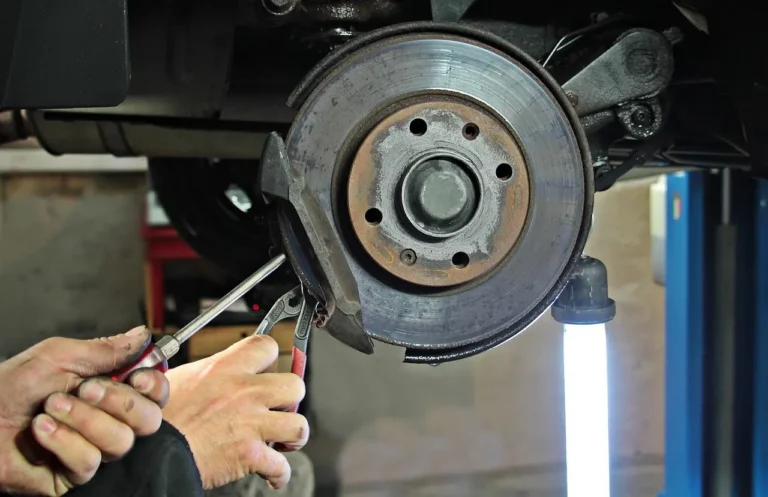
Press the pedal lightly first. It should feel consistent, not spongy or grabby. Then do a firm stop from normal road speed in a safe place. Listen for grinding, scraping, or pulsing, and note whether the car pulls to one side or vibrates.
Steering and alignment
On a straight road, briefly relax your grip and see whether the car tracks straight or drifts. A wheel that sits off-center, a car that wanders, or steering that feels heavy in one direction can point to alignment or suspension issues. Check turning resistance in parking-lot turns and over rough pavement.
Controls, infotainment, and visibility
Adjust the seat, mirrors, and steering wheel before you leave the lot. Pair your phone, test the infotainment screen, and make sure key buttons are easy to reach. Poor mirror visibility or awkward seating can turn into daily frustration, even if the drivetrain feels fine.
A common first-timer mistake is judging the cabin only from the passenger seat. Suppose the driver’s seat cannot lower enough for a clear view of the hood edge and mirrors. That is a comfort problem, but it is also a visibility problem you need to spot before money changes hands.
Common mistakes
The shortest bad drive is a quick block-and-back loop. It may prove only that the car starts and rolls forward.
- Only driving around the block: You may miss transmission hesitation, brake fade, or highway noise.
- Skipping highway speed: Alignment drift, vibration, and wind noise often appear only above neighborhood speeds.
- Ignoring noises, vibration, or warning lights: Any of these can point to mechanical trouble that deserves a second look.
- Not allowing the car to warm up: Heat-related issues often show up after 15 to 30 minutes, not in the first minute.
- Leaving the radio on: You can miss clicks, hums, and rough shifts that stand out when the cabin is quiet.
Frequently asked questions
How long should you test drive a car for?
Plan on 30 to 45 minutes when possible. That range gives enough time for a cold start, a few minutes of city driving, a highway segment, and parking-lot checks. If the car is older or has any warning signs, ask for a second pass after inspection.
How long can I take a car for a test drive?
Dealers often keep test drives close to 15 to 30 minutes, and Auto Express says most test drives take around 15 to 30 minutes. Private sellers may be more flexible. If the seller is strict, ask for a 20-minute minimum with one highway stretch.
How long is too short for a used car test drive?
Anything under about 15 minutes is usually too short for a serious used-car check unless the car is being driven only to a mechanic for inspection. A very short loop can hide heat-related issues, brake problems, and transmission hesitation that appear only after the car warms up.
Can I ask for a longer test drive at a dealership?
Yes. Ask politely for more time within reason, and explain that you want a highway segment and a parking check. If the dealer declines, ask whether a second drive is possible after a pre-purchase inspection or after you review the vehicle history and service records.
What should I do when test driving a used car?
Bring your license, review the history report and service records, start with a cold engine if possible, and drive a route that includes city streets, a faster road, and parking. Turn off the radio, test the brakes, and note any warning lights, rough shifts, or unusual noises.