How Does Accident History Affect a Used Car’s Fair Price?
Accident history can lower fair price depending on the size of the damage, repair proof, and any title or frame impact; minor cosmetic repairs often justify a small discount, while structural damage can cut value by roughly 10% to 30% or more. Miss that adjustment and you may overpay as a buyer or leave money on the table as a seller. Use the report, compare the repair file, and price the car against the actual evidence, not the label alone.
What accident history means in pricing
In pricing terms, accident history means a reported incident or damage event that can affect safety, structure, or resale value. That can include collisions and extreme weather damage. The label matters less than what was hit, how badly it was damaged, and whether repairs are documented and believable.
Reported incidents versus actual damage
A report entry is a clue, not the full story. A car can have visible repairs with no report entry, or a report entry with limited details if the damage was recorded in a way that leaves gaps. That is why buyers should price the evidence, not the word “accident” alone.
CARFAX says accident history can affect a vehicle’s integrity and safety, and its VIN-based report can show the number of incidents and the dates they occurred. When data is available, it may also show the point of impact and repair dollar amounts for US cars. That gives you a starting point for negotiation, not a final verdict.
Why a clean-looking car can still have a history entry
A car can look straight and glossy after bodywork, yet still carry a meaningful price penalty if the damage reached the frame, suspension, airbags, or structural panels. Cosmetic repair is one thing. Damage to body structure or safety systems is another, because it can affect how the car drives, protects occupants, and holds value.
What matters most to value
Price changes usually track three things: severity of the hit, quality of the repair, and what the inspection finds. A scuffed bumper with invoices is a different market problem from a deployed airbag or frame correction. Clean paint does not erase structural history.
How much does accident history lower value?
Accident history usually lowers value in proportion to the damage, the repair evidence, and the car’s starting price. Minor cosmetic repairs may call for a small discount. Structural damage, frame concerns, or airbag deployment often justify a much larger reduction, and newer cars usually lose more money than older ones.
Cosmetic damage and minor repairs
If the incident stayed at the cosmetic level, the discount may be modest. Think bumper covers, a fender, or a door skin, especially when the seller has repair invoices and photos that match the report. The market usually treats this as a resale blemish, not a major safety concern.
Suppose a sedan has one reported parking-lot collision, a repaired front bumper, and no structural or airbag findings on inspection. The asking price may still be fair with only a small reduction, because the repair evidence supports the story and the remaining risk is mostly resale stigma.
Structural damage, airbag deployment, and frame concerns
Once the damage touches frame alignment, suspension mounting points, airbags, or other safety systems, the price discussion changes fast. The car may still be worth buying, but only at a lower figure that reflects extra risk and lower resale appeal. If the seller cannot document the repair, the discount should grow or the deal should end.
Why newer cars usually lose more value than older cars
Accident history matters more on newer, higher-priced cars because clean-history comparables are easier to find and the resale penalty is larger in dollar terms. On an older, lower-value car, the same repair can matter less because the market already prices in age, wear, and lower residual value. The buyer still needs proof, though.
What should a CARFAX report tell you?
A CARFAX vehicle history report can help you anchor the price discussion, but it should never be treated as the whole file. It may show incident dates, number of events, point of impact, and repair dollar amounts for US cars. It also may miss unreported repairs or incomplete data.
Incident dates and number of events
The date count tells you whether the car had one documented event or a pattern of claims. Multiple incidents often raise more concern than a single event, even when each one sounds minor, because repeated repairs can mean repeated stress on the same areas.
Point of impact and repair amount, when listed
Point-of-impact data helps you separate a low-speed rear bump from a hard front hit that may have reached cooling parts, airbags, or structural members. Repair dollar amounts also matter because they can signal scale, although a high number does not automatically mean poor quality and a low number does not guarantee a clean fix.
What the report does not prove on its own
A report cannot prove how well the work was done. It also cannot confirm hidden damage, missed alignment problems, or a poor-quality repaint. The same source recommends comparing the report with a mechanic inspection and asking for documentation on the repairs, which is the right way to turn the report into a price decision.
Accident price decision table
Use this table to translate severity, repair proof, and inspection findings into a negotiation response. The range is a guide, not a fixed rule, because comparable listings and local demand still matter.
| Damage profile | Repair evidence | Inspection findings | Negotiation range | Rationale |
|---|---|---|---|---|
| Minor cosmetic damage only | Invoices, photos, or estimate match the report | No frame, suspension, or warning-light issues | No discount to modest discount | Repairs are documented and the remaining risk is mostly resale stigma. |
| Moderate body damage | Partial records, repair shop notes, or insurance claim only | Panel gaps, uneven paint, or light alignment concerns | Modest discount | The car may be fine, but incomplete proof and visible signs justify a lower offer. |
| Structural or frame-related damage | Limited documentation or unclear repair history | Frame alignment problems, paint-thickness mismatch, or suspension clues | Walk-away threshold | Safety, straightness, and resale are all in question. |
| Airbag deployment or major safety-system damage | Repair records do not fully explain the work | Warning lights, airbag faults, or poor fitment remain | Walk-away threshold | Safety-system damage needs stronger proof than most sellers can provide. |
| Looks repaired, but report shows a prior hit and repair dollars | Seller has some documents, but not the full file | Inspection is clean so far | Small to moderate discount | The car may still be solid, yet the missing paper trail limits buyer confidence. |
How repair records and inspections change the discount
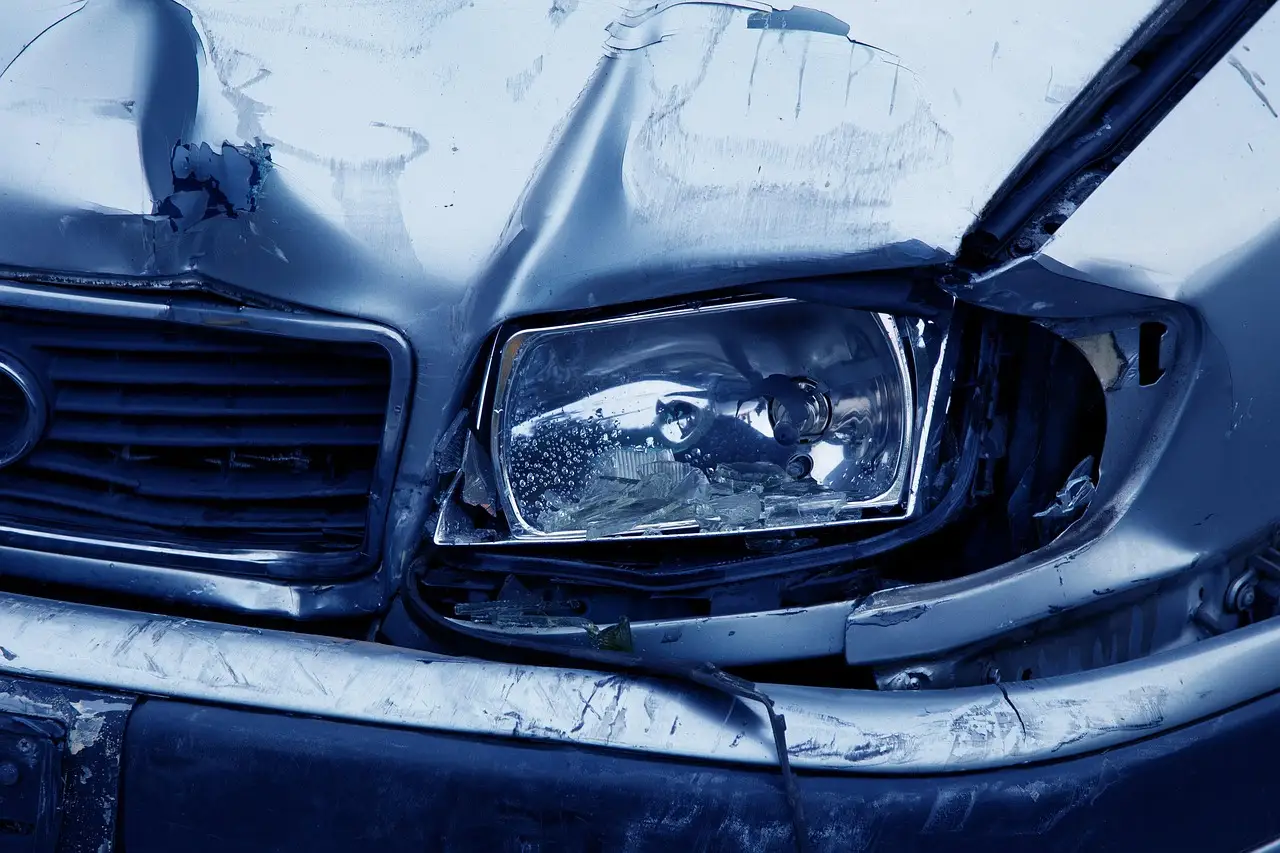
Repair records and inspection results can move a car from “maybe” to “fair price” or from “fair price” to “too risky.” Insurance claims, police reports, repair invoices, body-shop estimates, and repair photos help show what was fixed. A licensed or certified mechanic, or a body shop, can then check whether the work matches the story.
Insurance claims, invoices, estimates, and photos
Ask for the paper trail before you talk numbers. Insurance claims and police reports help confirm the event, while invoices and estimates can show what parts were replaced, what labor was paid for, and whether the repair scope fits the report. Photos are especially useful when they show the damage before repair.
Picture a crossover with a rear-quarter repair listed in the report and a body-shop invoice showing new trim, paint, and a blend into the adjacent panel. That is easier to price than a car with no records and a seller who says the damage was “only cosmetic.”
Frame alignment and body-shop checks
The same source recommends comparing the report with a mechanic inspection. The inspection should include frame alignment, body-panel fit, paint thickness measurement, suspension clues, and checks for airbag or warning-light issues. Master of Finance also recommends frame alignment checks and paint thickness measurements to reveal the extent of bodywork.
If door gaps are uneven, the hood sits high on one side, or paint thickness varies sharply from panel to panel, the car may need a larger discount. If the seller resists a qualified inspection, that is a pricing signal by itself.
Using comparable listings to judge the asking price
Use market comps to see whether the accident discount is already built into the asking price. Compare the car with clean-title comparable cars, damaged-vehicle comparable cars, local classified ads, and dealer lot listings. The same source says accident history can be used in price negotiations, and Master of Finance advises setting the asking price below similar clean-history vehicles.
-
Collect clean-title comps.
Find similar year, trim, mileage, and drivetrain listings with no accident history. These set the top of the local market range. -
Collect damaged comps.
Look for similar vehicles with reported damage or branded history. These help you see whether the seller’s price already reflects the accident. -
Match the repair proof.
Compare the seller’s documents with the report and the inspection. Stronger proof supports a smaller discount; weak proof supports a larger one. -
Set the offer band.
If the car is clean on inspection and the paperwork is strong, stay near the clean-title comp range with a modest reduction. If the evidence is weak or the damage is structural, move to a walk-away price.
Can you still buy it at a fair price?
Yes, an accident-damaged car can still be worth buying if the repairs are documented, the inspection is clean, and the price matches the market. The same source says accident history should not automatically stop a purchase. The key is whether the discount covers the known damage and the unknown risk.
When a modest discount is enough
A modest discount can be fair when the damage was cosmetic, the repair file is complete, and the inspection finds no frame, suspension, or safety-system concerns. That is especially true when the car is older or already lower in value, because the resale hit is smaller and the local market may not punish the history as much.
When the evidence points to a walk-away price
Walk away when the report, the paperwork, and the inspection do not line up. That includes missing repair proof, frame concerns, airbag deployment without clear documentation, or signs that the car was repaired poorly. If the seller wants clean-title money for a dirty-history car, the numbers do not work.
A common first-timer mistake is to focus on the shiny paint and ignore the report. A car can look ready for sale with a fresh bumper and still need a measurement check before you can say the price is fair.
How to negotiate with seller disclosure and repair proof
Use the report, the inspection, and the comparable listings in one conversation. Ask the seller to explain the incident, show the repairs, and justify the asking price against clean-history vehicles. If the seller discloses the damage early and backs it with records, the negotiation can stay focused on the size of the discount instead of the truth of the event.
-
Ask for the full file.
Request insurance claims, police reports, invoices, estimates, and repair photos. Ask whether any parts were replaced, painted, or straightened. -
Schedule an inspection.
Take the car to a licensed or certified mechanic, or a body shop, before you make a final offer. Ask for frame alignment, panel fit, and paint-thickness checks. -
Compare local pricing.
Bring clean-title and damaged-vehicle comps to the table. Use the differences to show whether the seller’s asking price is fair or inflated. -
Set a final number.
If the evidence supports the car, make a modest discount offer. If the evidence is thin or the inspection is bad, use that as your walk-away line.
Frequently asked questions
How much does accident history lower a used car’s value?
Accident history typically lowers value by the amount of damage, the repair quality, and the car’s market position. A common range for major structural damage is roughly 10% to 30%, but minor cosmetic repairs may justify far less. Compare the seller’s price with clean-title and damaged-vehicle comps before deciding.
Does a minor accident affect used car price?
Yes, but often only a little if the damage was cosmetic and the repairs are documented. A bumper scuff with invoices and a clean inspection usually deserves a smaller discount than frame, airbag, or suspension damage. The stronger the paper trail, the smaller the price penalty usually becomes.
How do I tell if accident repairs were done properly?
Look for matching panel gaps, even paint, sound panel fit, and no warning lights. Then verify with a licensed or certified mechanic or a body shop. Frame alignment checks and paint-thickness measurements are especially useful because they can reveal hidden bodywork or straightening.
Is a car with accident history still worth buying?
It can be, if the damage was limited, the repairs are documented, and the inspection is clean. The same source says accident history should not automatically stop a purchase. The question is whether the asking price already reflects the remaining risk and the lower resale value.
What documents should I ask for after a car accident repair?
Ask for insurance claims, police reports, repair invoices, body-shop estimates, and repair photos. Those records help confirm the scope of the damage and the work completed. Missing documents do not prove the repair was bad, but they do make the price harder to trust.
Can I negotiate a used car price down because of accident history?
Yes. The same source says accident history can be used in price negotiations, and the best support comes from repair proof, inspection findings, and local comps. If the seller cannot document the repair or the inspection shows problems, the discount should be larger or the deal should end.
Does accident history matter more on newer cars or older cars?
It usually matters more on newer cars because the resale gap between clean-history and accident-history vehicles is larger. On older, lower-value cars, the market often absorbs some of the hit already. Even then, structural damage or poor repairs still deserve close scrutiny.