How Do I Let Buyers Test Drive My Car Safely?
Let buyers test drive your car only after you verify their driver’s license, confirm insurance, and ride along unless you have a strong reason to hand over the keys alone. Skip that process, and you risk theft, tickets, crashes, and a lot of wasted time. This guide gives you a seller-first test-drive protocol that filters bad buyers, protects your car, and keeps the meeting under your control.
Test-drive safety checklist
A safe private-sale test drive starts before the buyer arrives. A test drive gives a buyer a clear chance to judge a used car, and it also helps you spot issues before a sale, but the seller should control the screening, route, timing, and key handoff. Plan ahead. The same logic used in buying a used car also applies when you are selling one.
Use a short, repeatable process. Ask for the buyer’s full name, phone number, and meeting location before you meet. Confirm the car’s VIN and history report first, because a VIN helps uncover ownership and repair facts. The history report should show the number of owners, mileage, accident or theft notifications, and title status.
Do the first contact screen before anyone sees the car. If the buyer will not share a real name, a reachable phone number, or a clear meeting spot, treat that as a warning sign. If they want to arrive, take the keys, and “figure it out from there,” stop the meeting there.
Pre-meet screening
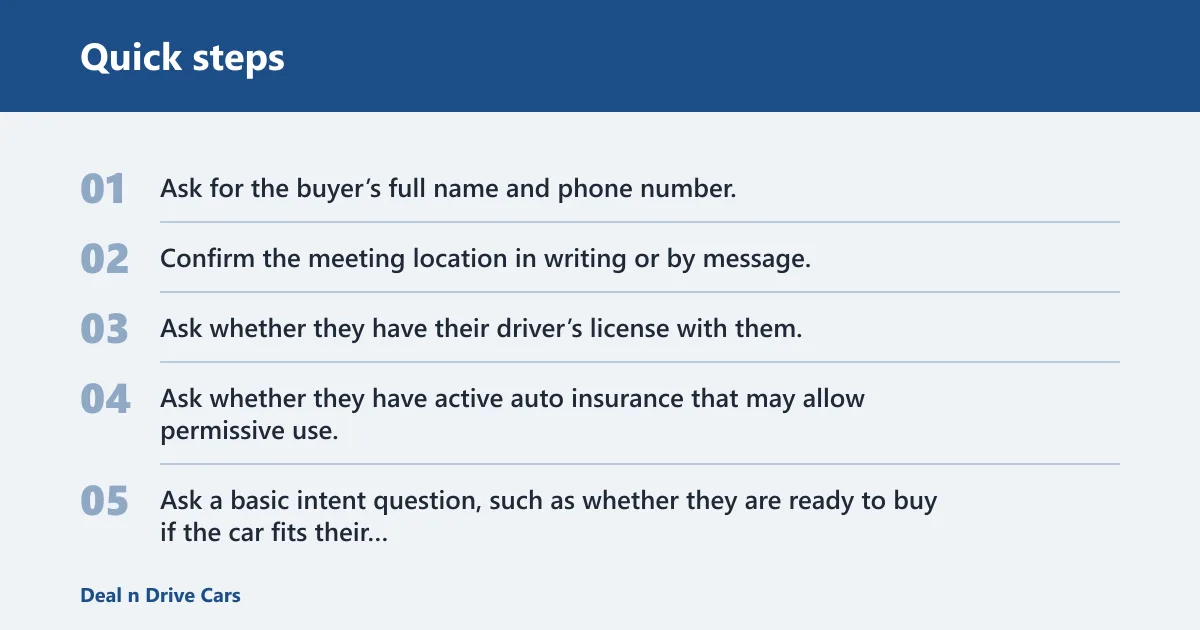
- Ask for the buyer’s full name and phone number.
- Confirm the meeting location in writing or by message.
- Ask whether they have their driver’s license with them.
- Ask whether they have active auto insurance that may allow permissive use.
- Ask a basic intent question, such as whether they are ready to buy if the car fits their needs.
That screening is not about being difficult. It is about avoiding no-shows, unsafe drive-offs, and people who want to use your car for errands. If the answers are vague, keep the meeting short and public, or end it before the test drive.
Arrival checks
Before the keys move, inspect the car with the buyer present. Take photos of all four sides, close-up shots of visible damage, the odometer, and the fuel level. Capture the mileage and note anything already on the car. This protects both sides if a scrape, warning light, or low-fuel complaint appears later.
Say your car has a fresh door ding on the passenger rear quarter panel and the fuel gauge shows one-quarter tank. Photograph both before the drive. If the buyer later claims the ding happened during the route, your time-stamped photos settle the question fast.
During and after the drive
Stay in control of the route, the keys, and the clock. A common rule of thumb is a 15-30 minute drive in daylight, with a mix of streets and parking checks. After the drive, do a quick debrief while the car is still in your sight. Compare any new complaints against what you documented before the keys left your hand.
| Step | Why it matters | Pass/fail |
|---|---|---|
| Pre-meet screening | Filters out no-shows, rushed buyers, and vague identities before you waste time | Pass: full name, phone number, and meeting location confirmed. Fail: evasive or incomplete answers. |
| Vehicle history report | Flags title issues, theft history, accident history, ownership count, and mileage concerns before the meeting | Pass: VIN matches the car and the report is clean enough to proceed. Fail: VIN mismatch, title problem, or unresolved theft flag. |
| On-arrival ID check | Verifies the person standing there matches the person who will drive | Pass: driver’s license photo matches the buyer. Fail: no license, expired license, or mismatch. |
| Insurance confirmation | Reduces exposure if the buyer causes damage, and tells you whether permissive use is possible | Pass: buyer can explain coverage clearly and you are comfortable with the risk. Fail: coverage is unclear, absent, or disputed. |
| Route choice | Keeps the drive short, ordinary, and easy to monitor | Pass: short loop with mixed streets and parking. Fail: highway-only route, isolated road, or long escape path. |
| Ride-along decision | Lets you control the handoff and shut down risky behavior early | Pass: seller rides along or has a documented reason not to. Fail: buyer insists on driving alone before checks are complete. |
| Key handling | Prevents a drive-off and limits access to extra keys or fobs | Pass: seller keeps control of the keys before and after. Fail: keys are handed over too early or extras are left accessible. |
| Post-drive debrief | Confirms the car returned in the same condition and keeps the conversation focused | Pass: car, keys, and mileage are accounted for. Fail: delay, mismatch, or push for an unsupervised second run. |
📊 Car and Driver notes the driver’s seat should be about 12 or more inches from the steering wheel. Source: How to Test-Drive a Car.
Should you let a buyer drive alone?
Usually, no. A solo private-party test drive raises theft risk, weakens license and behavior checks, and gives you less control if something goes wrong. Ride along unless you already know the buyer, have verified identity and insurance, and can explain why a short solo run is still acceptable.
When a ride-along makes sense
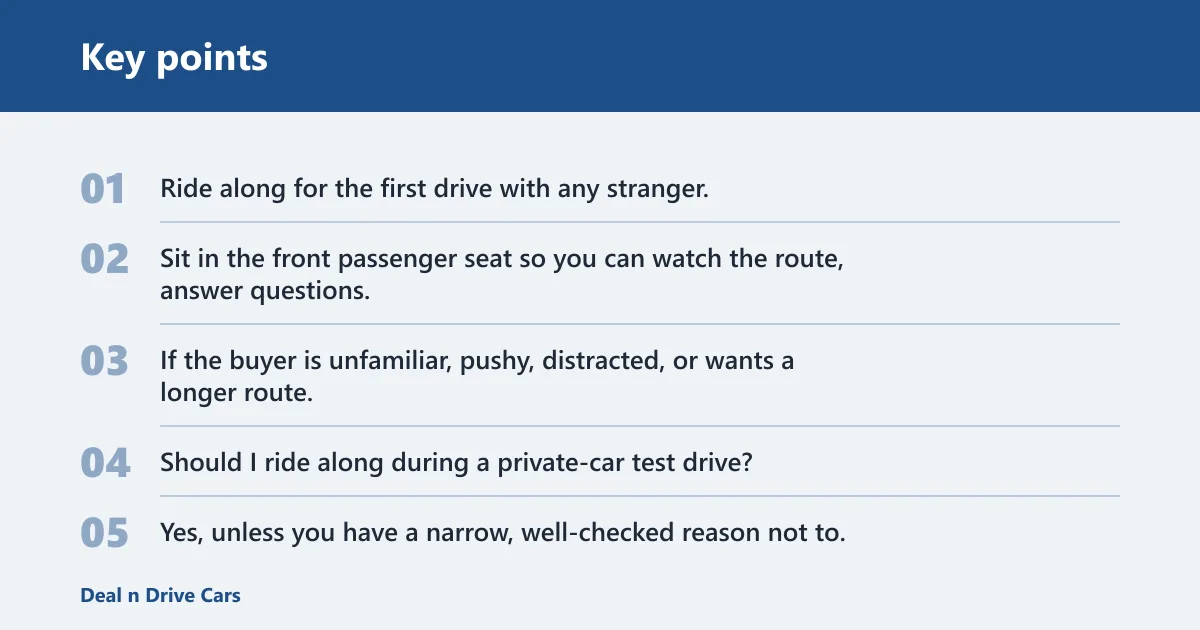
Ride along for the first drive with any stranger. Sit in the front passenger seat so you can watch the route, answer questions, and spot bad behavior early. If the buyer is unfamiliar, pushy, distracted, or wants a longer route, staying in the car is the safer choice.
Should I ride along during a private-car test drive? Yes, unless you have a narrow, well-checked reason not to. A seller in the car keeps the meeting bounded, discourages route changes, and makes it easier to stop the drive if the buyer starts texting, driving aggressively, or ignoring instructions.
When to say no
Do not let the buyer drive alone if they refuse to show ID, will not confirm insurance, want to leave your sight immediately, or push for a route you did not approve. Also say no if they arrive with signs of intoxication, distraction, or a second person who changes the plan.
A common first-timer mistake is treating “I’ll be right back” as harmless. If the buyer wants a drive alone for the first meeting, the answer should be no. That request creates a clean theft opportunity and removes your ability to end the drive early.
How to end the drive early
Stop the drive at the first sign of pressure, deception, or unsafe behavior. Ask the buyer to pull over in a public place, retrieve the keys, and end the meeting. If the buyer refuses to hand the car back, call local authorities from a safe position and do not chase the vehicle.
End the drive immediately if the buyer changes the route without permission, starts arguing about basic checks, or tries to distract you from watching the road. A short, firm stop protects the car better than trying to “see how it goes.”
What to check before the keys leave your hand
Verify identity, insurance, and title facts before anyone turns the key. Do not skip straight to the drive because the buyer seems polite. The main checks are simple: driver’s license, permissive-use insurance, VIN match, title status, and a quick look for accident or theft flags on the history report.
Driver’s license check
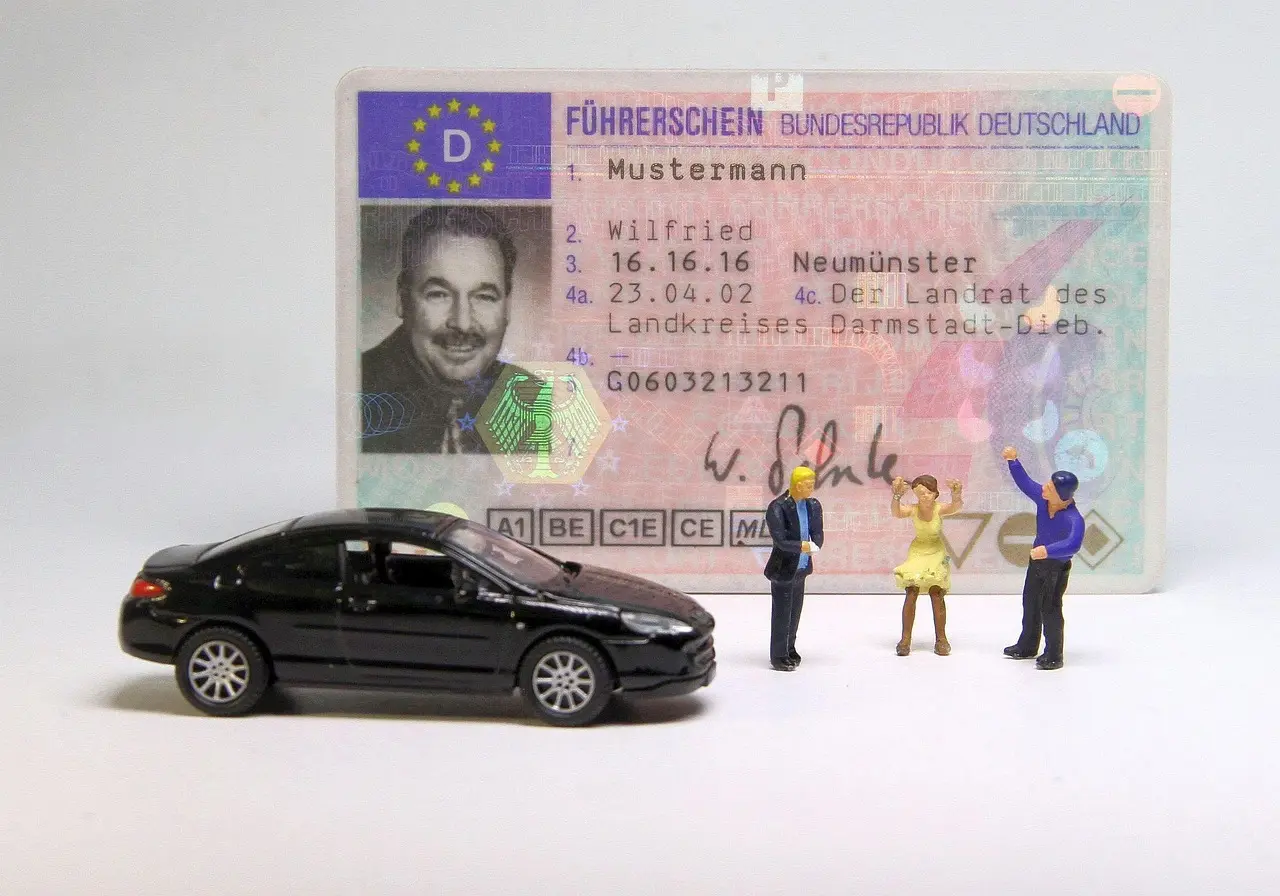
Do you need to see a driver’s license before a test drive? Yes. Verify identity before handing over keys, match the photo to the person driving, and capture the license number if your process allows it. Check that the name on the license matches the name you were given.
If the photo does not match the person who is about to drive, stop the meeting. If the license is missing or expired, stop the meeting. This is a clean pass/fail step, not a casual courtesy check.
Insurance check
Ask whether the buyer’s policy allows permissive use, and do not assume it does. Check whether your own liability coverage applies during a private-party test drive, and ask about deductible and uninsured or underinsured protections if you are unsure how a claim would be handled. If coverage is unclear, the safest answer is no solo drive.
This is the point many sellers miss. “They’re insured” is not enough. You need enough clarity to know whether the policy may cover a permitted driver, whether your own policy could respond, and what the financial gap would be if there is a crash.
Vehicle history and title check
Before the meeting, get the Vehicle Identification Number and compare it to the car in front of you. Check the history report for title status, number of owners, mileage, and accident or theft notifications. If the VIN does not match the report, stop.
That same check helps if a buyer claims the car is “clean” but a report says otherwise. A title issue or theft flag can end a sale fast, and it is better to know before the keys move than after a bad test drive.
How to choose a safe route
A safe private-sale route is short, ordinary, and easy to monitor. Use normal traffic, a few turns, and at least one parking maneuver. Avoid routes that tempt a long escape, isolated roads, or highway-only loops that prevent a quick return.
Route length and traffic mix
How long should a private-car test drive be? About 15 to 30 minutes is a good default. That is long enough to feel steering, brakes, visibility, and low-speed behavior without giving away an open-ended drive. Keep the path to local streets and a short stretch of normal traffic.
What route is safest for a private-car test drive? A short loop with mixed streets, a moderate-speed segment, and a parking lot or curbside pull-in. That mix lets the buyer check parking, turning, merging, and visibility without taking the car far from where you can supervise it.
Parking and low-speed testing
Include one or two parking maneuvers. Slow backing, steering lock, and low-speed braking tell you more about the car than a long cruise on a straight road. If the buyer says they need a highway stretch first, keep the answer tied to your route, not theirs.
For higher-value, manual, or modified cars, keep the route even tighter. If the buyer has never driven a manual, that is another reason to ride along and keep the route simple. Extra complexity belongs after trust, not before it.
What to avoid
Avoid isolated areas, dead-end industrial roads, and routes that branch toward open highways or rural exits. Also avoid night-only routes for the first meeting unless daylight is impossible. If a second drive is needed, then a night check can make sense for lights, visibility, and cabin noise.
Suppose a buyer asks for a 25-minute freeway loop with no passenger. That is a poor fit for a private sale. It is harder to monitor, easier to extend, and gives a dishonest buyer more room to disappear.
Keys, fobs, and theft prevention
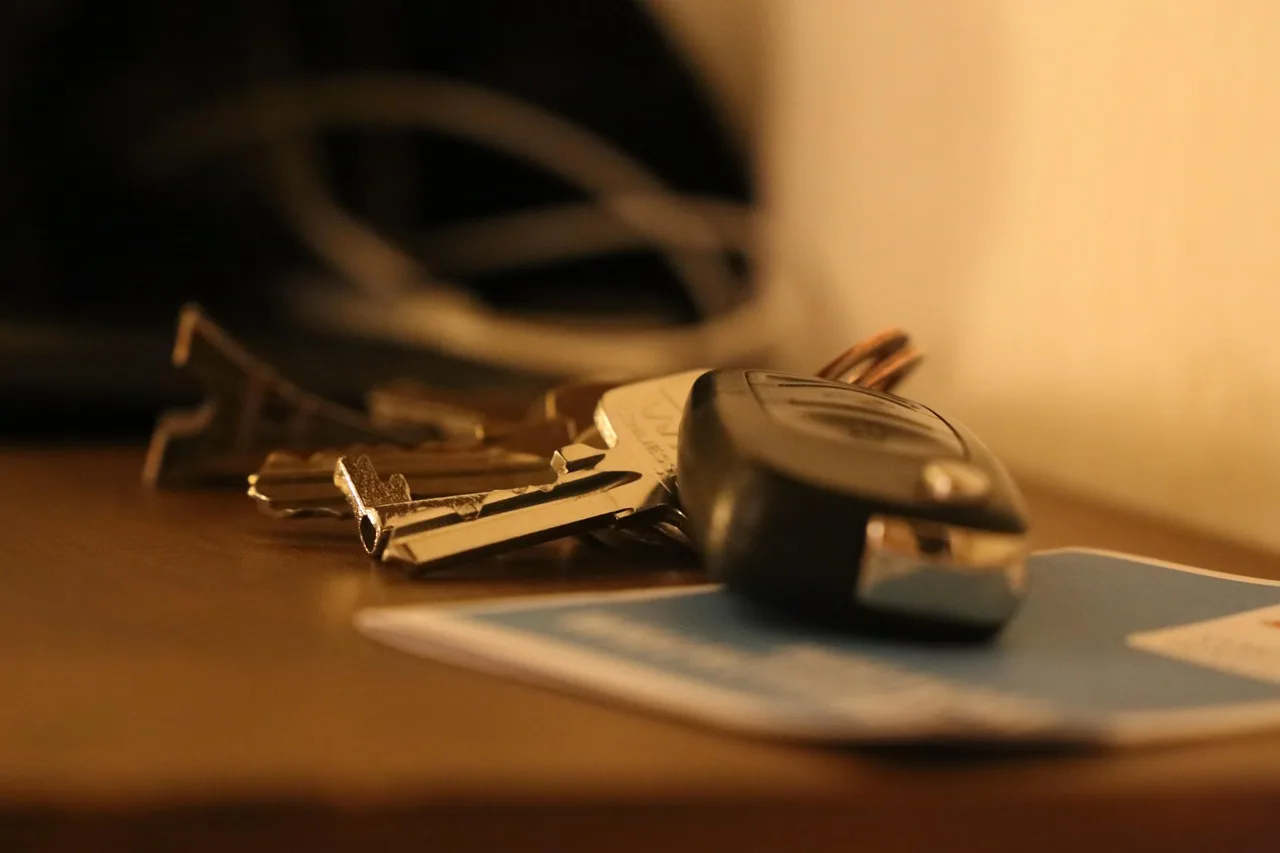
Keep control of the keys before, during, and after the drive. Decide ahead of time whether you will keep a spare key, and make sure any extra key fobs are disabled or stored away. If the buyer asks to hold the keys “just for a second,” that is usually the moment when control slips.
Who holds the keys
The seller should hold the keys until the driver’s license and insurance checks are complete. During the drive, the seller keeps a clear claim on the keys if riding along. After the drive, the keys go back into the seller’s hand before any discussion about price, repairs, or a second run.
Do not leave the keys on a seat, on a counter, or in an unlocked jacket pocket. Keep them in hand or in a pocket you can physically control. That simple habit shuts down a lot of opportunistic theft.
Spare key and extra fob setup
If you have a spare key, keep it separate from the key used for the test drive. If the car has multiple fobs, disable the extras if you can, or store them in a separate place that the buyer cannot reach. For high-value cars, this matters even more.
That extra step matters because a buyer who gets one key may still be able to exploit a second one if it is left in the car or on the same ring. The goal is to keep the test-drive key from becoming a full access set.
Parking and handoff habits
Park so the car is easy to watch and easy to retrieve. Choose a visible lot, keep the car pointed for a quick exit, and avoid leaving documents, garage remotes, or extra keys inside. If you are meeting multiple buyers the same day, reset the car and your paperwork after each drive.
Do not stack buyers back-to-back without a reset. Photograph the car again if needed, check that the mileage matches your note, and confirm the keys are back where they belong before the next person arrives.
How long should the drive be?
Use a 15-30 minute drive by default. That window is long enough to learn how the car pulls, brakes, steers, and parks, and short enough to keep the meeting controlled. For the first visit, daylight is the safer choice. Night is better reserved for a second look if visibility or lighting matters.
Daylight first, night only if needed
Daylight gives you better visibility for ID checks, walkaround photos, and route control. If the buyer wants to verify headlights, dash brightness, or cabin noise after dark, a second short drive can be reasonable. That second drive should still follow the same screening rules.
Car and Driver recommends doing your homework before arriving, bringing a friend along, attempting a nighttime return, and driving the specific model and trim level. For a private seller, the same logic applies in reverse: keep the test drive tight, know the car’s exact setup, and add night only if it answers a real question.
Multi-buyer scheduling
If you are showing the car to more than one buyer, leave time between meetings. Recheck the fuel level, mileage, and exterior condition after each drive. If one buyer runs late or tries to extend the route, do not let that pressure the next meeting into a rushed handoff.
Ask a simple final question before the keys move: does the buyer still want the same route and same time limit? If they cannot agree to your plan, they are probably not a fit for your sale process.
What to do before and after the drive
Before the drive, complete the walkaround, photos, mileage capture, and damage notes. After the drive, check the same points again and ask the buyer for a direct debrief. The buyer should say what they noticed, what they still want to inspect, and whether they are ready for a follow-up meeting or an offer.
Photo walkaround and mileage record
Take a clear set of exterior photos before the drive, then capture the odometer and fuel level. Note any warning lights, trim damage, tire issues, or cracks in glass. If possible, keep that record in the same order every time so the process is easy to repeat.
Checking the vehicle before anyone gets in is basic, but it matters. Inspect the car before driving, then compare it again after. That one habit settles most disputes before they start.
Buyer debrief
After the drive, ask the buyer what they noticed about braking, steering, visibility, and controls. You do not need to debate their opinions. You need to learn whether they are serious, whether they want a second look, or whether the conversation should end.
What should you check before letting someone test drive my car? The essentials are identity, insurance, vehicle history, route, timing, and keys. If any of those are weak, the correct move is to pause or end the process, not improvise your way through it.
Stop signs that end the sale conversation
- The buyer refuses to show a driver’s license.
- The photo on the license does not match the driver.
- Insurance is unclear, expired, or absent.
- The buyer wants to drive alone before checks are complete.
- The buyer pushes for a route change or a long highway loop.
- The buyer seems intoxicated, distracted, or unwilling to follow basic instructions.
- The buyer refuses to return the keys promptly.
Frequently asked questions
Can I let a buyer test drive my car alone?
Usually no, especially for a first meeting with a stranger. A seller-first process should verify the buyer’s license, confirm insurance, and use a ride-along unless there is a strong reason not to. Solo drives increase theft risk and reduce your control over the route and timing.
What should I check before letting someone test drive my car?
Check the buyer’s full name, phone number, driver’s license, and insurance status before keys change hands. Also compare the VIN to the vehicle history report, confirm title status, and document the car’s condition with photos, mileage, and fuel level before the drive starts.
Do I need to see a driver’s license before a test drive?
Yes. Verify identity before handing over keys, match the photo to the person who will drive, and note the license number if your process allows it. If the buyer does not have a license or the photo does not match, end the meeting.
Should I ride along during a private-car test drive?
Yes for most private sales. A seller in the car helps control the route, discourages theft, and lets you stop the drive if the buyer acts recklessly or refuses directions. Sit in the front passenger seat, keep the route short, and end the drive if the buyer ignores basic rules.
How long should a private-car test drive be?
A 15-30 minute drive is the safest default. That gives enough time to test normal traffic, parking, and low-speed behavior without turning the meeting into an open-ended outing. Keep the first drive in daylight when possible, and save a night check for specific visibility questions.
What route is safest for a private-car test drive?
A short loop with mixed streets, one parking maneuver, and ordinary traffic is the safest format. Avoid isolated roads, highway-only routes, and anything that creates a long escape path. The route should be easy to watch, easy to end, and easy to repeat for the next buyer.